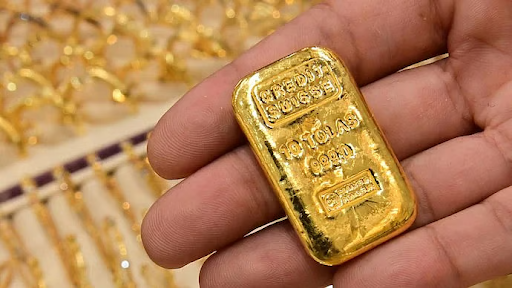
Gold has fascinated investors, jewelers, and consumers alike for centuries. Whether it’s for investment purposes, cultural significance, or industrial uses, gold holds a unique position in global trade and economics. One of the most commonly traded gold weights is 10 grams, making the 10 gram gold price a significant benchmark in the global and domestic markets.
In this article, we’ll delve into how the 10 gram gold price is determined and the reasons behind its fluctuations. Additionally, we will explore the trends revealed in the gold rate year-wise chart, offering insights into historical patterns that shape modern gold pricing.
What Determines the Price of 10 Gram Gold?
The price of 10 grams of gold is influenced by a combination of global and local factors. Let us break down the key determinants that impact how this price is calculated:
1. International Market Gold Prices
One of the primary drivers of gold prices is the rate set in the international markets. Gold is traded globally in terms of troy ounces, and thus, the price for 10 grams in the local market is derived from the prevailing international gold rates. The spot price of gold is determined on commodity exchanges such as COMEX in the United States or the London Bullion Market.
These platforms reflect global supply-and-demand patterns, geopolitical developments, inflationary pressures, and other macroeconomic factors. Currency exchange rates also play a vital role in determining the conversion of international gold prices into the local price for 10 grams.
2. Currency Exchange Rate
Gold is primarily traded internationally in U.S. dollars. Local currency fluctuations have a direct bearing on what consumers pay for 10 grams of gold in their respective countries. For example, if the Indian rupee weakens against the U.S. dollar, the cost of imported gold rises, subsequently increasing the domestic price of the metal.
3. Import Duties and Taxes
Countries like India, where gold must be largely imported due to limited domestic production, impose significant import duties. These taxes and duties are factored into the final 10 gram gold price. Additionally, local taxes like GST (Goods and Services Tax) further contribute to the price variance.
4. Local Demand and Supply
Demand for gold in India is heavily influenced by cultural traditions, particularly during festivals and wedding seasons. An upsurge in demand may hike the 10 gram gold price, just as low demand can lead to slight corrections in the price. Likewise, local supply constraints—such as slow imports or limited inventory—can also increase gold rates.
5. Central Bank Policies
Central banks play a significant role in gold pricing. Gold serves as a reserve asset for central banks, and their buying or selling of the metal can affect the spot price. Policies related to interest rates, inflation management, and monetary easing or tightening indirectly impact the 10 gram gold price.
6. Economic and Geopolitical Stability
Gold is widely regarded as a “safe haven” asset, attracting investments during periods of economic uncertainty or geopolitical tension. For instance, recessions, wars, trade disputes, and financial crises often lead to higher demand for gold, pushing its price upward.
7. Speculation by Traders
Gold prices are also affected by speculative activities on commodity exchanges around the world. Futures contracts and options trading influence price movements, impacting what consumers ultimately pay for 10 grams of gold.
Why Does the 10 Gram Gold Price Fluctuate?
Now that we know how the price is determined, let’s explore the reasons behind fluctuations in the 10 gram gold price and why it is far from being constant.
1. Changes in Global Economic Conditions
Inflation, recession concerns, and unemployment rates can lead to fluctuations in gold prices. When inflation is high, the demand for gold tends to increase as people seek to hedge against currency devaluation. Conversely, during economic recovery periods, gold may lose some of its luster as investors move towards higher-risk assets like stocks.
2. Currency Volatility
Since gold is priced in dollars globally, any fluctuation in currency exchange rates impacts local gold prices. For example, the weakening of the Indian rupee against the U.S. dollar results in higher domestic prices for 10 grams of gold.
3. Seasonal Demand
Festivals like Diwali and Akshaya Tritiya in India, as well as wedding seasons, typically lead to heightened demand, pushing prices upward. This seasonal demand can be attributed to the cultural significance of gold in Indian traditions.
4. Geopolitical Tensions
Political uncertainty—like wars, trade disputes, and sanctions—often leads to a rise in gold prices due to investors flocking to safer assets. Fluctuations in the 10 gram gold price can manifest when such tensions escalate or de-escalate.
5. Interest Rates
As a non-yielding asset, gold competes with financial instruments like bonds and savings accounts. When interest rates rise, gold becomes less attractive to investors, leading to price corrections. Conversely, lower interest rates boost gold prices.
6. Speculation and Market Sentiment
Investor sentiment in the futures and options market significantly impacts gold prices. Bullish sentiment pushes prices higher, while bearish sentiment leads to declines. Speculative activities often intensify during volatile market conditions.
Gold Rate Year-Wise Chart: Trends and Insights
Historical price trends offer invaluable insight into how gold has performed over the years and what to expect in the future. Analyzing the gold rate year-wise chart makes it evident that the metal has traditionally been a reliable store of value, even amid economic turmoil.
1. Gold Price in the Early 2000s
Between 2000 and 2005, gold prices were relatively stable, illustrating modest growth. At the time, global economies were picking up growth post the 1997 Asian financial crisis. The perception of gold as a hedge against the dollar was relatively limited, resulting in subdued demand.
2. The 2008 Financial Crisis
The global financial meltdown of 2008 spurred an unprecedented surge in gold prices. Investors rushed toward gold, seeking safe-haven investments during severe economic instability. The 10 gram gold price skyrocketed during this period, reflecting heightened demand.
3. Gold Price Between 2010-2020
The period between 2010 and 2020 saw turbulent fluctuations in gold rates, driven by a mix of geopolitical tensions, economic policies, and significant events like Brexit and trade wars. Gold reached record highs when the COVID-19 pandemic set in, as markets responded to fear and uncertainty.
4. Current Trends and Future Expectations
In recent years, gold prices have remained favorable for investors, fueled by inflationary pressures, currency volatility, and evolving geopolitical scenarios. Experts believe that gold will continue to perform well, owing to its status as a hedge against inflation and a safe investment option.
How to Monitor 10 Gram Gold Price Effectively?
Given the fluctuation in gold prices, it is essential for buyers, investors, and business owners to monitor changes in the 10 gram gold price closely. Here are some effective ways to do so:
1. Check Daily Spot Prices
Gold exchanges and commodity platforms regularly update spot prices. Monitoring these rates will provide a clear understanding of daily price movements.
2. Follow Local Gold Prices
Local prices for 10 grams of gold reflect factors like import taxes, duties, and regional demand. Staying updated on these rates allows you to make transaction decisions wisely.
3. Analyze Historical Trends
Using a gold rate year-wise chart, anyone can analyze the historical trends of gold prices to make informed investment choices.
4. Pay Attention to Macro Factors
Keep an eye on global economic developments, central bank policies, and geopolitical events that could impact gold prices. Being proactive helps in timing your purchases and investments.
5. Consult Experts
Professional advice from financial experts or jewelry market analysts can offer insights into when to buy or sell gold based on prevailing price trends.
Conclusion
The 10 gram gold price serves as a significant benchmark in global and local gold trading, influenced by a host of factors ranging from international market conditions and currency rates to seasonal demand and geopolitical uncertainties. Its fluctuations are a reflection of the ever-changing economic and political landscape.
By regularly monitoring global trends, studying the gold rate year-wise chart, and understanding the underlying reasons for price changes, consumers and investors can make informed decisions concerning gold purchases. Despite its price volatility, gold remains a steadfast asset with enduring allure and reliability, holding its place as one of the most sought-after commodities in the world.
Whether you are an investor aiming for diversification, a consumer celebrating traditions, or a business owner dealing in jewelry, understanding how the price of gold—particularly for 10 grams—is decided and why it fluctuates is crucial to navigating the gold markets effectively.