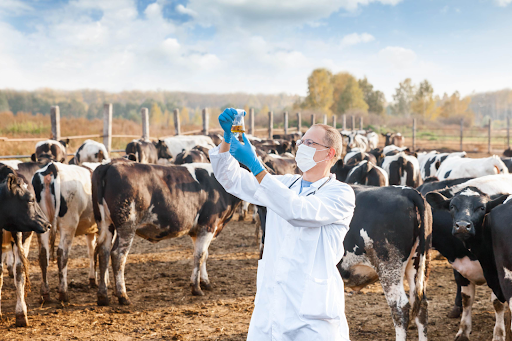
The animal health care scenario in India is experiencing a radical shift due to the meeting points of science, accessibility, and awareness in the ground scenario. Pet owners and animal keepers are now demanding safer drugs, proper advice, and easy accessibility in the far-flung areas. At the same time, the role of a veterinary medicine company in India is shifting from the production phase to the trust-building, systems-building, and long-term care phase for animals.
- Extending Coverage beyond Large Urban Areas: Formerly, quality animal drugs were available only in major cities. Smaller towns relied on irregular distributions. Now, firms are developing their distribution channels to serve even remote rural areas. Cold chain distribution, stock points, and trained rural staff are ensuring drugs are delivered on time and without compromising their quality. Now, early care is feasible. It has a direct impact on animal survival and productive yield.
- Emphasis on Preventive Animal Care: There is a clear shift in paradigm from disease treatment to disease prevention. The players in the veterinary sector have shown the significance of preventive measures concerning vaccinations, supplements, and healthcare strategies that tend to prevent the development of diseases prior to acquiring severe forms. Healthcare strategies help reduce mortality and the high medication rate in the end. There is also a perspective on food safety since healthier pets yield healthier products.
- Smarter Decisions: Technology is emerging in the veterinary field. Organizations are making use of the analysis of data for the tracking of trends in diseases, medications, and feedback. Mobile services are helping veterinary doctors in taking immediate decisions during emergencies. The combined use of technology is helping to streamline services, prevent the misuse of medications, and practice successful veterinary care.
- Training the Veterinary Ecosystem: Good animal health care is linked to competent veterinary officers and para-vets. Most organizations have now invested in training and learning digital applications for veterinary officers. This is an important step in creating an understanding of new medications and the dosages that should be followed. Well-informed veterinary officers make more effective care possible, and the population begins to have more confidence in veterinary care.
- Quality Control and Regulatory Discipline: Pet medications affect food chains, meaning that quality is paramount. The pet medication industry is enhancing manufacturing, testing, and compliance. Uniformity in quality will inspire confidence in veterinarians and farmers. Sound discipline by regulatory bodies will also make medications safe for animals, thereby making them safe for human consumption.
- Helping Farmers Through Education: Apart from these medications, there are awareness and consulting initiatives from the companies that reach the farmers. Hygiene, nutrition, and early symptom identification are among the issues that are now discussed with the farmers in easy language. Informed farmers can respond swiftly when signs of illness are observed among the animals. Both the companies and the farmers are therefore contributing towards healthier animal care.
In conclusion, with improved accessibility, veterinary medicine companies are paving the way for a healthier tomorrow for animals as well as those who take care of them. This advancement opens an opportunity for systematic expansion models in the form of a veterinary medicine franchise to responsibly bring high-quality care to every corner of the country. It also helps ensure consistent treatment standards and long-term trust across the animal healthcare system.